How Long Does It Take To Learn Coding
The time to learn coding depends on your choice of language, daily study hours, practice, projects, and whether your goal is a hobby, a side project, or a job. This article maps realistic timelines, standard learning curves, study milestones, and practical steps to help readers know how long it takes to Learn Coding and How to Learn Calculus Fast.
To get there, Transcript's AI study tool turns your goals into a simple, personalized plan, tracks practice hours, suggests projects, and estimates a realistic timeline, whether you take a bootcamp or follow a self-study path.
Summary
- How long it takes to learn coding depends on your route and goals: intensive bootcamps average 3 to 6 months full-time, part-time self-guided paths take 6 to 12 months, and university degrees take about 4 years.
- Consistency beats intensity for skill building; studying 30 to 60 minutes daily forms stronger habits, and investing two to three focused hours per weekday accelerates basic competency.
- Structured, weekly checkpoints matter, since learners who shipped one minor feature every week began reading others' code with confidence within 4 to 8 weeks.
- The method of practice drives outcomes, with about 50 percent of learning effectiveness attributed to how you study rather than how long you study.
- Measure real progress with concrete metrics, for example, time-to-first-successful-run, which typically drops by 30 to 50 percent over eight weeks when practice is focused and feedback is timely.
- There is strong labor demand that sustains the payoff for persistent practice, with the U.S. Bureau of Labor Statistics projecting around 356,700 job openings annually in computer and information technology.
- This is where Transcript's AI study tool fits in, as it addresses fragmented learning by converting pasted problems and screenshots into step-by-step explanations and a searchable notebook, reducing time spent chasing disconnected answers.
What Determines How Long It Takes to Learn Coding?

There is no single timetable that fits everyone; how quickly you learn coding depends on where you start, what you want to build, how you practice, and which tools you use. With the right choices and steady habits, many people reach functional competency in months rather than years, while others take longer because their goals require more profound systems knowledge.
How Does Your Starting Point Change How Fast You Learn?
People with backgrounds in math, physics, accounting, or any role that requires structured problem-solving usually shorten their ramp-up because they already think in terms of variables, conditions, and abstractions. Beginners with zero programming experience spend more time internalizing control flow and debugging habits; that learning curve is standard, not a sign of weakness.
The applicable rule I use when mentoring cohorts is this. Prior analytical practice leads to faster project completion and fewer stuck days, because the student spends less energy translating problems into code and more on solving them.
Which Programming Language Speeds Momentum Early On?
Choose a language that rewards early wins. Python and JavaScript let you build visible, useful things with minimal syntax friction, which accelerates motivation and pattern formation.
Java and C++ teach deeper performance and memory concepts, which are helpful for lower-level thinking, but they slow initial momentum. Think of language choice as selecting training wheels. Start where you can ride, then remove constraints as your goals demand it.
How Much Does Your Learning Path Actually Compress Time?
Different routes produce different timelines because structure and intensity change the effective hours of learning. If you opt for a full-time, structured program, expect an immersive timeline of roughly 3 to 6 months, as outlined in IT Support Group's Intensive Bootcamp Path, which reflects how intensive practice and curriculum design produce career-ready skills faster.
If you follow a part-time, self-guided route, plan for a longer window, about six to twelve months, based on the IT Support Group since progress depends on consistent weekly hours and the quality of projects you choose.
How Many Hours per Week Actually Move the Needle?
Consistency beats intensity. Short daily practice builds pattern recognition and reduces friction, while infrequent marathon sessions create restart costs. Studying 30 to 60 minutes daily forms stronger habits than a single long session each weekend; if you can invest two to three focused hours per weekday, you’ll hit basic competency faster than most part-time learners.
Think of each coding session as small muscle repetitions that train problem decomposition; frequency matters more than any single long push.
Why Structure and Communication Matter More Than Most People Admit
When instruction and feedback are unclear, progress grinds to a halt, and motivation erodes, it's like a poorly organized event that leaves attendees frustrated and confused. Clear roadmaps, explicit project milestones, and timely mentorship prevent wasted hours chasing ambiguous requirements.
I’ve seen learners quietly give up when a course left them guessing which part of a multi-step exercise was graded or essential. That emotional hit, confusion turning into shame, kills momentum faster than technical difficulty ever does.
What Breaks When You Rely Only on Tutorials and Search, and What Fixes It?
Most learners stitch together tutorials and Stack Overflow threads because it feels efficient and familiar. That approach works at first, but as projects grow, context fragments, debugging time multiplies, and you end up replaying the same error hunts across different stacks.
Platforms like Transcript address this directly. They let students paste code, ask “what does this do,” receive step-by-step explanations, and fix bugs in context. Teams and learners find that having an interactive, contextual explainer turns hours of dead-end searching into minutes of targeted understanding, keeping progress steady without sacrificing depth.
How Do Your Goals Change the Timeline?
If you aim to build simple websites, you’ll reach usable output quickly; a portfolio project can be functional in weeks with focused effort. If you want to ship mobile apps, learn backend systems, or do machine learning, each layer adds weeks or months because of dependencies and domain knowledge.
Choose the smallest possible project that still teaches the core concepts you need, and let that project expand as you acquire skills. This goal-driven pruning prevents scope creep from turning a three-month ambition into a never-ending project.
How Should You Use Tools and Support Without Losing Learning Depth?
Mentors, code reviews, and small, guided projects accelerate understanding by exposing you to fundamental failure modes and corrective patterns. AI tools can accelerate comprehension and debugging, but they do not replace the disciplining value of explaining your code to another human or a grader. Use AI to clarify and unblock, then verify explanations through tests, peer review, or a mentor’s critique so that you build durable competence instead of brittle shortcuts.
Related Reading
- How to Learn Calculus Fast
- How Long Does It Take To Learn French
- How Long Does It Take to Learn Calculus
- How To Study French
- How To Study For Organic Chemistry
- How To Study Chemistry
- How To Study For A History Test
- How To Study For Anatomy
- How To Study Computer Science
How Long Does It Typically Take to Learn Coding

You can reach functional competency in months or take years to master; what matters is how you structure practice, feedback, and real projects. Tight, measurable checkpoints beat vague deadlines; with weekly, goal-driven work, you keep momentum and avoid the burnout that makes nominal timelines meaningless.
What Should Weekly Checkpoints Look Like?
Break skills into repeatable units you can finish in one week. A small algorithm, a feature for a portfolio project, or a bug you can diagnose and fix. Aim for outcomes, not hours. Finish a feature, write tests for it, and explain the logic in plain English.
When we ran focused study cycles with learners, the change was apparent. Those who shipped one minor feature every week stopped getting stuck on errors and began reading others’ code with confidence within 4–8 weeks.
Why Do Timelines Feel So Unreliable for Most People?
This pattern appears across intensive and part-time learners. Rigid two-month or six-month promises create urgency that becomes anxiety, and anxiety breaks the habit of consistent practice.
It is exhausting when a learner treats every setback as a failure rather than data; that mindset turns debugging into a shame spiral. The pragmatic fix is to swap deadline theatre for short experiments you can complete and measure, so progress is visible even when it is imperfect.
Which Pacing Compresses Learning Most Efficiently?
If you need the fastest runway, a concentrated program will beat fragmented evenings because it stacks learning hours and feedback tightly, but it also demands full attention and high bandwidth. For many working learners, a part-time, project-first schedule is superior because it accommodates real constraints while still producing portfolio-ready work.
According to the IT Support Group, that range assumes steady weekly hours and progressively harder projects. At the same time, the longer commitment of a formal degree is still required when you need deep systems knowledge, as shown by the IT Support Group.
How Does the Familiar Study Approach Break Down at Scale?
Most learners stitch tutorials, Stack Overflow answers, and disconnected practice because they are familiar and feel productive. As projects grow, context fragments, mistakes repeat, and the time spent chasing an answer balloons into hours.
Platforms like AI study tool are helpful here because they centralize context, convert a pasted problem into step-by-step explanations, and keep your work in one place, reducing wasted search time and preserving learning momentum.
What Concrete Signals Show Real Progress, Not Illusion?
Track three things:
- How fast can you reproduce a previous solution from memory?
- How many bugs can you fix without external help?
- Number of small projects you can explain end-to-end
Use a simple metric, like time-to-first-successful-run, when debugging; if that number drops by 30-50% over 8 weeks, your troubleshooting skills are improving. That kind of signal beats vague confidence and exposes exactly where to focus the next block of practice.
How Do You Stop the Anxiety That Sabotages Schedules?
Treat confusion as information. When you hit the same error three times, change one variable. Switch language idiom practice, add tests, or get targeted feedback that explains the control flow. That constraint-based thinking works. If time is scarce, prioritize reproducible, testable tasks; when you have mentorship, lean on code review cycles to accelerate learning.Learning to code feels like building a muscle and learning a new instrument at once, because you must both practice scales and learn to play songs. The most frustrating part is that people elevate the songs too soon; spending time on scales makes the songs easier and less embarrassing.
AI Study Tool for Faster Learning
Transcript brings AI-powered study tools directly to students' fingertips, helping them tackle complex coursework more efficiently. Use the AI study tool to scan problems, get step-by-step solutions, and keep your notes organized. Try Transcript for quick, contextual explanations and see whether focused, measurable practice finally turns those frustrating plateaus into steady progress.
Related Reading
- How To Study For A Biology Test
- How To Study Marine Biology
- Best Way To Learn Coding
- How To Study For Biology
- How To Study For History
- How To Study For Biology In College
- How To Learn Chemistry On Your Own
- How To Pass Social Studies GED Test
- How To Speak French For Beginners
- How To Get Better At Chemistry
- How To Study For Economics
How to Learn Coding Faster
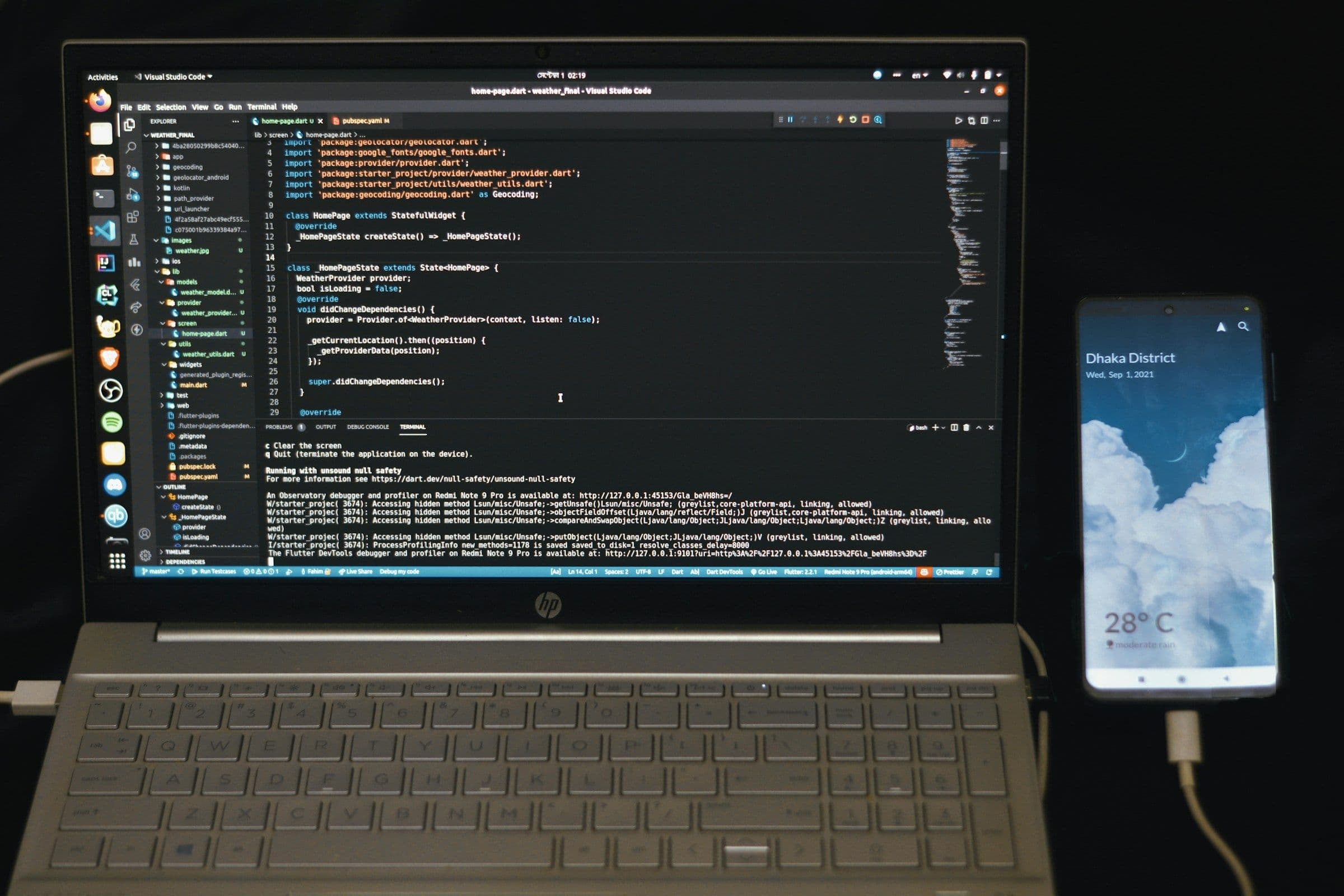
You shorten the run to usable skill by treating learning as an experiment, not a playlist: pick a small, testable goal, design practice that forces recall and transfer, then measure tight feedback loops every week. Keep the career upside visible as motivation, since the U.S. Bureau of Labor Statistics projects around 356,700 job openings annually, suggesting steady demand for people who can ship working software.
How Should You Structure Practice So Every Hour Pushes Skill Forward?
Start with active recall instead of passive reading. After learning a concept, close the editor and rebuild the smallest working example from memory, then run it and fix what breaks. Alternate short recall sessions with spaced reviews for API names and standard commands. Because the way you practice matters dramatically, 50% of learning effectiveness is attributed to the learning method; choose techniques that force retrieval, not recognition.
What Simple Signals Show Real Improvement?
Track outputs that prove transfer, not just time spent. Useful metrics include how many new integrations you implement without copying, how often you add tests that catch regressions, and how long it takes you to reproduce a prior build from scratch. These are actionable: if your ability to assemble a feature from blank falls from several hours to under one, you are scaffolding transferable skill, not just memorizing steps.
How Do You Design Projects That Teach High-Leverage Skills?
Design each project as a series of vertical slices that add one integration point at a time, for example:
- UI
- Data model
- Persistence
- API
- Testing
Timebox each slice to a minor, deliverable feature and write a failing test before you code the feature. That structure forces you to learn the glue between layers, not just isolated syntax, and it trains you to debug in real-world contexts where dependencies matter.
What Keeps You Moving When Progress Stalls?
Adopt error journaling: for each blocker, note the trigger, the diagnostic steps you tried, the eventual fix, and a two-line rule you can reuse. After four weeks of this practice, patterns become visible, and you stop repeating the same mistake. Combine that with scheduled peer reviews or recorded walkthroughs, because explaining your code out loud crystallizes gaps faster than solitary tinkering.
Get Answers for Free Today with Transcript
The truth is, when you need to learn calculus fast, spending hours stuck on one problem grinds momentum to a halt and makes progress feel impossible. Platforms like Transcript let you scan a problem, get step-by-step explanations in the chat, and stash those walkthroughs in an intelligent notebook, turning wasted hours into repeatable practice. Try it free and see whether focused, consistent sessions finally shorten your timeline.
Related Reading
- How To Learn Spanish
- How to Study Geography
- Best Website to Learn Coding
- How to Study Linear Algebra
- How to Study for Accounting
- Best Coding Language to Learn
- How to Learn Coding for Beginners
- How to Study Science
- How to Study Sociology