Best Way to Learn Coding as a Student
Students often confront the challenge of merging theoretical math with practical coding skills. Effective learning involves building a solid foundation, engaging in regular practice, and applying concepts to real-world projects. Integrating feedback and mentorship further reinforces these skills as students work to bridge the gap between abstract theory and hands-on programming.
Emphasizing practical strategies can accelerate coding mastery while balancing other academic demands. Combining theory with project-based experiences creates an environment where complex subjects become accessible and engaging. Transcript's AI study tool provides personalized practice, clear explanations, and tailored study plans that seamlessly connect coding exercises with mathematical problem-solving.
Summary
- Early confusion drives dropout and disengagement: about 50% of coding students leave within the first year, and roughly 70% find coding confusing during that period.
- Replacing passive review with deliberate, decision-focused practice yields quick gains, for example, short practice cycles over four weeks shift learners from imitation to reliable construction.
- Short, surgical sessions scale better than marathons, as an eight-week routine of 30 minutes of targeted work daily preserves momentum and reduces burnout.
- Reflection and error taxonomy improve confidence and direction, with 80% of students who participate in coding challenges reporting more substantial confidence in their coding abilities.
- Structured peer practice accelerates understanding, since 60% of learners report that joining a study group improves their coding skills by surfacing assumptions and enabling role-based critique.
- Track three simple metrics for four weeks, such as time to fix a failing test, repeated mistake counts, and the percentage of problems you can explain aloud, a practice aligned with findings that over 70% of online learners report improved problem-solving skills.
- Transcript's AI study tool addresses this by centralizing scanned problems, surfacing recurring mistake analytics, and returning step-by-step explanations so practice becomes diagnostic and focused.
Why Learning Coding as a Student Feels Confusing

You are not broken. The confusion, blank-screen panic, and sense that everyone else “gets it” are normal reactions to a learning process that rewards doing rather than just watching. The gap between passive understanding and independent problem-solving is what makes coding feel discouraging, and it can be addressed through targeted practice and more precise feedback.
Why does everything make sense in class but vanish at the keyboard?
This pattern appears across classrooms and bootcamps. Lectures present clear examples that help the brain recognize solutions rather than creating them. Recognition can feel like understanding because you can follow code when it is already written.However, writing requires forming a chain of decisions under cognitive load. Think of it like watching someone steer a car on a quiet road, versus taking the wheel during a storm, where small choices add up and need attention you did not practice under pressure. Using an effective AI study tool can enhance your practice and help you make those decisions.
Why do assignments feel ten times harder than class examples?
Assignments require students to combine pieces, choose strategies, and handle errors independently; this is where passive study often falls short. Many students report spending hours rereading slides and rewatching tutorials, yet still freeze when faced with the prompt. This creates a cycle of self-doubt and avoidance.The emotional pressure students feel is real and exhausting. When study time feels like busywork, progress slows and confidence declines. If you're looking to boost your study efficiency, our AI study tool can provide personalized assistance to help you tackle assignments with confidence.
How do small gaps become everything, feeling impossible?
When your understanding of basics such as variables, loops, and functions is weak, later tasks can become very difficult. Even simple problems can become complex due to this foundational issue. This confusion often leads many learners to give up early. According to LinkedIn Pulse, 50% of coding students drop out in their first year due to confusion and insufficient guidance. This shows that early confusion can have profound effects. The number of students who struggle early on aligns with other surveys, such as Hyperlink InfoSystem's 2023 survey, which found that about 70% of students found coding confusing in their first year of learning. These statistics show why so many people feel stressed before they can even start making progress. To combat this, our AI study tool provides personalized guidance to help clarify these concepts.
What practical shift actually closes the gap between knowing and doing?
Replace passive review with deliberate practice that encourages decision-making as you create. Instead of watching a tutorial all the way through, pause at a solved example, remove key lines, and then try to recreate them by memory and explanation. Work in short cycles: try something, fail quickly, understand the mistake, and fix one thing at a time.Over four weeks, this method shifts the task from copying to creating, helping you build the mental wiring you need to start solving problems rather than just watching them. To aid this process, consider using our AI study tool, which supports effective learning strategies.
What emotional truth matters most right now?
It can feel lonely and discouraging to work hard and still feel like you're falling behind. However, this feeling often points to something you can fix: you are practicing the wrong skill. Students who switch to targeted problem-solving report making more apparent progress and feeling less shame.They stop making the mistake of thinking that the time spent means they are gaining skills. This change in how they approach things not only rewires their skills but also changes their mindset, turning anxious avoidance into small, repeatable wins.
What deeper misstep do learners make next?
This fixes the issue, but there is a bigger mistake that nearly every learner faces next.
Related Reading
- How to Learn Calculus Fast
- How Long Does It Take To Learn Coding
- How Long Does It Take To Learn French
- How Long Does It Take to Learn Calculus
- How To Study French
- How To Study For Organic Chemistry
- How To Study Chemistry
- How To Study For A History Test
- How To Study For Anatomy
- How To Study Computer Science
The Biggest Mistake Students Make When Learning Coding

Students learn fastest when practice helps them make the exact decisions they need under pressure. This method is more effective than adding more lectures.Design short, focused practice sessions that require you to choose, test, and fix one thing at a time. As a result, problem-solving skills become automatic much more quickly.
What does a practical practice session look like? Start small and focused. Set one specific goal for a 30-minute session: implement one function, add one test, or change one loop to manage an edge case. Begin by writing a one-line specification, then write only enough code to meet it.Run it, see what fails, and fix one error. Keep track of each mistake in a two-column log: what you expected, what happened, and the exact fix. This quick feedback loop helps train the habit of turning confusion into actionable ideas, rather than endlessly rewatching. For those looking to enhance their learning experience, our AI study tool can significantly help them grasp complex concepts through adaptive learning.
How do you convert examples into decision-making skills?
Treat every example as a decision map. When you read a solution, take notes on each choice the author made among different structures. Think about why a list is used instead of a set, why recursion is chosen over iteration, or why an early return is better. Then, try recreating the example by changing a single decision and see what happens.Over time, you will notice the patterns that help guide these choices, which is the fundamental skill that employers value. To support your learning, our AI study tool can help you identify these patterns more effectively.
When should you increase complexity, and by how much?
Use constrained escalation, not sudden leaps. If a task works with N up to 100, increase it to 1,000, then to 10,000, changing one constraint at a time, such as input size or error modes. This method serves as pressure testing for your mental models, showing weak assumptions before they fail in essential tasks.Think of it as progressive resistance training for your brain. This approach can be enhanced with tools like our AI study tool, which streamlines your learning journey.
How do you sustain practice without burning out?
Short, consistent sessions are more effective than occasional marathons. In an eight-week shift that emphasizes 30 minutes of targeted work daily, learners maintain momentum and feel less discouraged because they can see their progress immediately. This small habit is important because many people struggle to learn. A 2023 learner comment noted that more than 70% of students struggle to understand the fundamentals of programming. Another comment from that time warned that 50% of beginners give up within the first month due to frustration. These two facts show that pacing and low-stakes failure are not optional; they are essential strategies for success.
Which specific drills build transferable skills?
Rotate three drills each week: focused implementation, variation testing, and explanation practice. For implementation, code a minor feature based on a plain-language specification. During variation testing, change a constraint and see where things break. For explanation practice, write a one-paragraph note that explains your solution to someone who only knows the problem, not the answer.This practice helps you uncover assumptions and reveals gaps that silent coding can hide. To further enhance your learning experience, consider using our AI study tool, which offers tailored feedback and resources to improve your skills.
What about debugging and reading code?
Treat debugging like a research method. Make a guess, create the smallest experiment to prove it wrong, run the experiment, and write down the results. When reviewing other people’s code, approach it with a goal: identify the single design choice that has the most significant impact on performance or clarity. Mark that choice and update the file header to explain the trade-offs in one sentence.This pressure makes reading active rather than passive.
What is a good mental model for practice?
Here is a simple mental model to keep in mind: build a toolbox, not a library. A toolbox contains a few reliable moves that you can combine, rather than a long list of memorized facts. Each practice session should add one tool, test it in three different situations, and note the trigger for when to use it.
How does this change in practice feel over time?
This change in practice may feel small at first. However, over time, you will encounter a new problem, and the first ten choices will come to mind without panic. Using an effective AI study tool can streamline this process; our Transcript caters to your learning needs.
What is the challenge that comes next?
The next part is the most unsettling for nearly everyone; it is often harder than expected.
The Best Way to Learn Coding as a Student
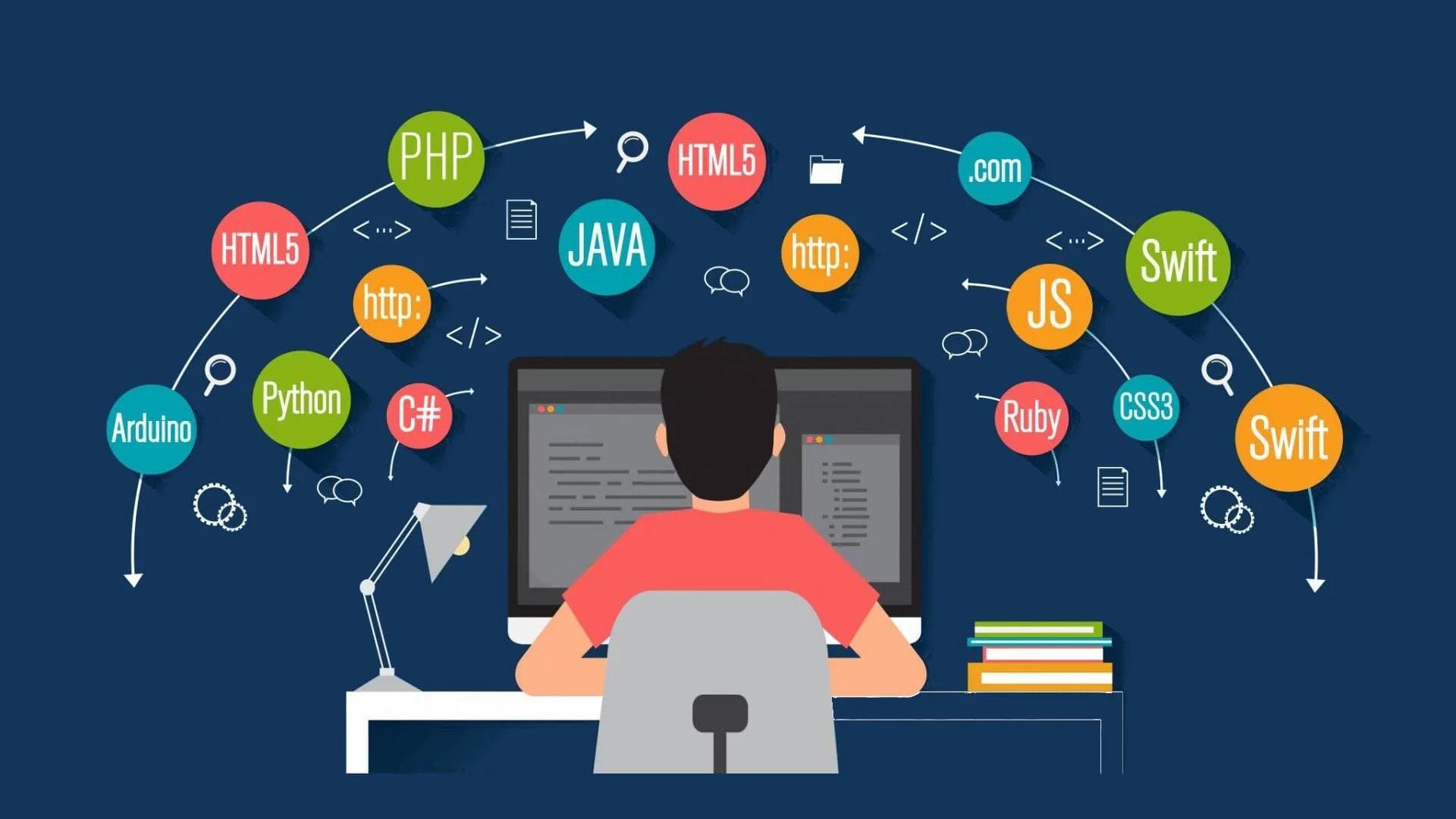
A deliberate practice architecture is essential for effective learning. It should encourage transfer rather than just repetition. You can achieve this by organizing problems in sequence, identifying error patterns, and creating short decision-making practice sessions. These methods help make choices automatic under pressure, and students using our AI study tool often find that it enhances their learning experience.
How should you sequence practice to make skills transfer?
To improve skill transfer, mix topics rather than focusing on just one at a time. Combine algorithmic puzzles, small system design prompts, and short debugging tasks. This method prompts the brain to move beyond surface-level cues and access deeper decision-making processes. Treat each week like cross-training by selecting two core skills, changing the rules each day, and testing the same idea across three different problems.This variety helps develop flexible pattern recognition, which employers value when dealing with new challenges. To enhance your learning experience, consider how our AI study tool can provide you with tailored practice and feedback.
What reflection habit actually accelerates improvement?
Adopt an error taxonomy and weekly clustering habit: label each failure as syntax, off-by-one, assumption, or strategy, then group repeating types over seven days. For each cluster, write a one-paragraph decision replay that reconstructs the thought path taken, and then propose one choice to try next time. This practice helps improve thinking, not just fixing code, and turns noisy mistakes into predictable learning targets.
The payoff is measurable confidence gains; indeed, 80% of students who participate in coding challenges report feeling more confident in their coding abilities. This supports the idea that targeted, challenge-focused practice builds both belief and skill. Additionally, our AI study tool can streamline your learning and reinforce these skills.
How do you stop practice from flattening into a plateau?
Introduce constraint drills that change one variable at a time, like input size, memory limits, or allowed library functions. Run sessions where you must write and explain a solution in under 25 minutes, followed by 10 minutes to think about your decisions. Add micro-benchmarks like “fix-to-pass time” and “unique-failure count” to your weekly log to make sure that progress is measurable instead of just based on feelings.Our AI study tool helps in structuring these drills effectively, enhancing your learning experience.
Visual tools and interactive traces turn small mental leaps into visible evidence, making weak assumptions clear and easy to fix.
How should you check that practice is working?
Track three simple metrics for four weeks: average time to fix a failing test, number of repeated mistake types per week, and percentage of problems you can explain aloud without looking at code. Those signals are small but meaningful and relate to improved problem-solving. This is why more than 70% of students who learn to code online report enhanced problem-solving skills. Zero To Mastery, 2023, shows that focused online practice can change how we think, not just how familiar we are with coding. To that end, our AI study tool is designed to help you track your learning progress effectively.
What tools can help with coding practice?
Transcript brings AI-powered study tools directly to students' fingertips. The platform offers an AI study tool that combines instant scan-and-solve abilities, an intelligent digital notebook, and an AI chat feature for step-by-step explanations. Users can simply scan a problem, and Transcript provides detailed solutions and learning steps for free. This method helps students resolve misunderstandings immediately while continuing to build fundamental skills.
What hidden habit might erase gains?
Improvement feels real until you find a single hidden habit that can quietly erase months of progress. As you explore your learning journey, consider how our powerful AI study tool can help you identify these hidden patterns and optimize your study habits.
What to Do Next If You’re Still Struggling with Learning Coding

You get unstuck not by trying harder in the same way, but by changing the question you ask when you feel confused. Treat every moment when you're stuck as a chance to diagnose the problem, then run a small experiment to fix that one issue. This practice, when practiced consistently, separates steady improvers from those who burn out and quit.
How should you respond when you freeze?
When you get stuck on a problem, take one careful step: find the smallest assumption that has to be true for the next part of your work. Write a one-sentence test of that assumption and try it out. For example, if a derivative algebra step seems wrong, test the algebraic identity on two numeric examples within 10 minutes. Note any mismatches.This kind of micro-experiment quickly clarifies confusion, turns vague panic into actionable information, and saves mental energy for your next decision. Use a 30/10 rhythm: 30 minutes of focused work followed by 10 minutes to write down exactly what went wrong and why. Then either try again or change your approach.
What role do other people’s explanations play?
This is where social structure is essential, not just vague encouragement. Sessions that give roles can lead to real progress. One person explains their reasoning aloud, a second plays the skeptic and asks where the assumptions lie, and a third restates the logic. This format helps uncover hidden assumptions and stops participants from just copying answers.
It also aligns with broader patterns, as shown by the 2023 Online Learning Study, which indicates that 60% of learners report that joining a study group improves their coding skills. This explains why structured peer practice improves understanding rather than merely providing accountability.
Why should you schedule confusion instead of avoiding it?
Confusion can be helpful if appropriately captured. Keep a one-line “confusion log” each day that notes the exact question you could not answer, the smallest test you ran, and the hypothesis you let go.After seven entries, group them by cause, then spend one focused hour to tackle the most common issue. Doing this prevents small gaps from growing into a wall of uncertainty and reduces wasted review time.
What if you still feel like quitting?
Stopping is a common reaction; in fact, Towards Data Science reports that over 70% of beginners struggle with learning to code due to a lack of guidance. This highlights a significant guidance gap that leads many to give up. When quitting starts to seem appealing, use a three-step rescue: (1) switch to a different way of working for 45 minutes, like sketching out the proof or explaining it to a notebook; (2) set a single, public micro-commitment with a peer for the next 24 hours; and (3) review one past success to remember the exact decision you made just before things clicked. These steps can help you regain control and make your next practice session more effective.
Most learners piece these processes together using different apps and notes, creating friction as contexts multiply. The typical approach often relies on search results and scattered screenshots, which may seem quick but can slow progress. As questions pile up, context becomes unclear, answers get lost, and you end up spending more time trying to remember past work than learning something new.Platforms like AI study tools centralize scanned problems, attach step-by-step explanations to each item, and show recurring confusion patterns. This allows learners to quickly regain context and focus on addressing real blind spots rather than searching for yesterday’s notes.
Get Answers for Free Today with Transcript
Transcript brings AI-powered study tools right to students' fingertips, helping them handle complex coursework more efficiently.Our platform offers instant scan-and-solve, an intelligent digital notebook, and an AI chat that guides you through problems step by step, so you can correct misunderstandings rather than just collect answers.
The following section will show a surprisingly simple way to get immediate answers and keep the learning, not just the solution.
Related Reading
- How To Study For A Biology Test
- How To Study Marine Biology
- How To Study For Biology
- How To Study For History
- How To Study For Biology In College
- How To Learn Chemistry On Your Own
- How To Pass Social Studies GED Test
- How To Speak French For Beginners
- How To Get Better At Chemistry
- How To Study For Economics
- How To Learn Spanish
- How to Study Geography