How Long Does It Take to Learn Calculus
Mastering calculus depends on factors such as prior experience, the number of hours dedicated to study, and the depth of practice. A solid foundation in algebra and trigonometry paves the way for understanding limits, derivatives, and integrals. Clear milestones help set realistic expectations on the journey toward calculus proficiency.
Establishing a structured plan and tracking progress ensures steady improvement in problem-solving skills. Tailored study strategies and consistent practice build confidence and enhance understanding. Using Transcript's AI study tool provides customized plans, schedules, and resource recommendations that support ongoing progress toward calculus mastery.
Summary
- Strong algebra and trigonometry foundations accelerate calculus learning, with about 60% of students who have those prerequisites able to learn calculus faster.
- Consistent time-on-task matters; approximately 80% of students who spend at least 10 hours per week on calculus study can complete a standard course in one semester.
- A realistic baseline for steady progress is roughly 15 hours per week on homework and study, which converts practice into transferable problem-solving rather than shallow familiarity.
- Structured practice beats passive review, for example, a 30-minute closed-book session split into 10/10/10 minutes for structural problems, variants, and an application problem builds recognition and flexibility.
- Plateaus are common, but switching to varied problems and reflection over a 6 to 12-week window often restores momentum and yields durable gains.
- Measure progress with objective metrics, tracking three weekly indicators (accuracy on mixed sets, median time to first correct solution, and percent of repeat errors) and running a transfer test every two weeks.
- This is where Transcript's AI study tool fits in; it addresses delayed feedback by providing instant step-by-step breakdowns and an intelligent notebook that flags weak topics and logs attempts.
What Determines How Fast You Can Learn Calculus?

You can get through the basics of calculus in just a few focused weeks, but to develop a dependable transferable skill usually takes months of regular practice. The key to this progress is what you already know and how you practice. By making sure your algebra and trigonometry skills are strong and by practicing the right problems with quick feedback, you can speed up your learning.However, if you skip those important steps, your progress will probably take a lot longer. Our AI study tool helps streamline your practice sessions, ensuring you focus on what matters most.
Why Does Your Algebra and Trig Matter So Much?
Why does your algebra and trig matter so much? When algebraic manipulation trips you up, every calculus problem becomes a long detour instead of a step forward. This pattern is common among high school and college learners. When the foundation is weak, solving limits or integrals turns into an exercise in rearranging terms rather than reasoning about change. Supporting this, a 2023 study found that 60% of students with a strong foundation in algebra and trigonometry can learn calculus faster. Treat your prerequisites as speed infrastructure, not optional review.
How much study time actually changes the clock?
How much study time actually changes the clock? Time-on-task is very important for doing well in school. Focused, consistent hours help students learn to recognize patterns, which makes solving problems easier.One 2023 study found that about 80% of students who spend at least 10 hours per week studying calculus can finish a standard course in one semester, as highlighted in this discussion. However, just putting in hours is not enough; those hours must include worked examples, targeted drilling, and spaced review to work well.
How should you practice to learn faster?
To learn faster, practice effectively by writing down every step, testing edge cases, and translating problems into graphs before tackling algebra. This method helps students to see structure instead of just memorizing moves.This pattern happens often: students who break problems into smaller parts and check each part move past confusion quickly, while those who depend on memorized formulas tend to get stuck when facing different problems. For additional support, consider using Transcript's AI study tool to enhance your practice sessions.
What Usually Breaks Fast Progress Plans?
What usually breaks fast progress plans? The common failure mode is a mix of honest intensity and poor strategy. For example, someone might study for four hours each day but practice the wrong mix of problems. Or, cramming before exams might help with short-term recall, but it doesn't build flexible skills.This way helps students write down answers, but often makes them freeze when faced with slightly different problems. These methods are tiring and can be disheartening. The emotional strain often leads people to stop working consistently just when they are starting to understand. To avoid these pitfalls, it can be helpful to use our AI study tool, which provides personalized practice tailored to your needs.
How much does mindset alter the timeline?
Mindset significantly influences how quickly someone learns. Small changes can lead to big results. Students who see mistakes as valuable data and have short, regular review sessions usually progress faster than those who try to make big gains in one long study session.This pattern is clear: steady, reflective practice along with quick feedback works better than long study marathons for both speed and remembering the material. To enhance your learning experience even further, consider using our AI study tool that helps streamline your study process.
What is the complexity of learning timelines?
That surface explanation feels complete, but what many people overlook about timelines adds more layers of complexity to the whole question.
Related Reading
- How to Learn Calculus Fast
- How Long Does It Take To Learn Coding
- How Long Does It Take To Learn French
- How To Study French
- How To Study For Organic Chemistry
- How To Study Chemistry
- How To Study For A History Test
- How To Study For Anatomy
- How To Study Computer Science
Realistic Timelines for Learning Calculus
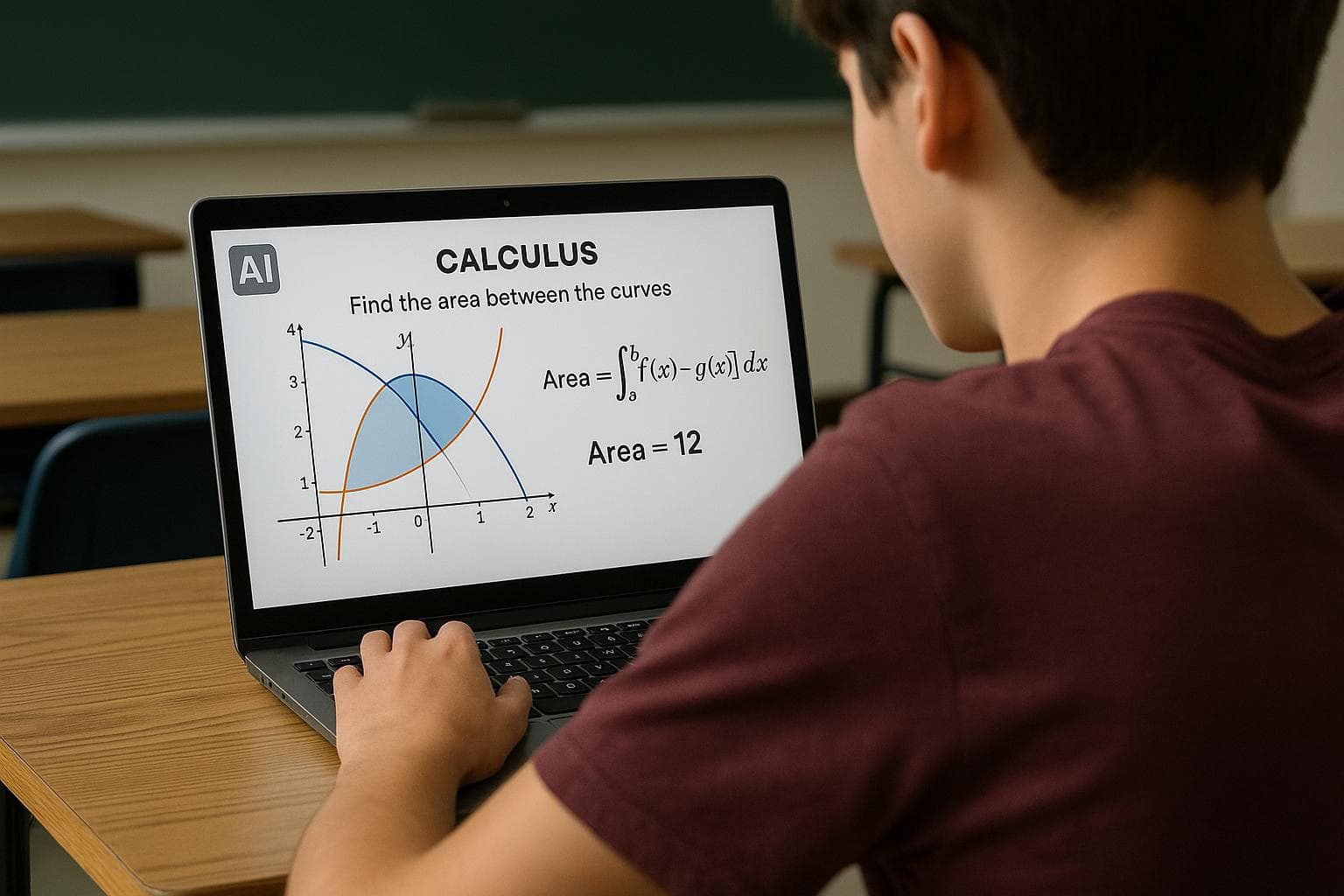
To solve calculus problems well and reliably, it’s important to mix deliberate practice with clear feedback, not just put in hours of study. It’s possible to make good progress in a few weeks, but really mastering the material usually takes several months of varied practice, thinking about what you’ve learned, and correcting mistakes.Additionally, our AI study tool helps streamline your learning process by analyzing your interactions and providing tailored feedback.
Why do periods of quick progress turn into flat spots?
When students practice hard but don’t change how they do things, they tend to hit a wall and stop improving. One common issue is rote repetition of similar problems, which leads to weak skills.By moving to shorter study sessions that include a mix of problem types and require students to explain each step out loud, learners start connecting strategies to problem features instead of just remembering the steps. Keeping this approach for six to twelve weeks, while regularly reviewing, is often the key to getting back on track.
How much time should you spend weekly?
A 2023 comment noted that, on average, students spend about 15 hours per week on calculus homework and study. This serves as a realistic baseline for steady college-level work, not a heroic sprint.
It's important to match those hours to specific goals. Focus on problem practice, spaced recall, and a weekly synthesis session where you rework old problems without notes. That combination transforms time into transferable skill, rather than just fostering shallow familiarity. For those aiming to enhance their study experience, our AI study tool provides tailored strategies to optimize your learning.
What Common Emotional Patterns Will Shape Your Timeline?
Frustration often arises when advancing requires mental reorganization, rather than just more practice. A student may feel capable with past problem types but freeze when they face something new. This anxiety is useful information, not a sign of failure. For example, one student we worked with faced this challenge and changed their focus to analyzing errors for two weeks.They wrote down each misunderstanding and its fix, which helped them improve both their accuracy and confidence within ten days. These micro-habits, writing down mistakes, expressing thoughts, and timing problem attempts, can greatly change how a student feels and can affect their progress just as much as the time spent studying. Our AI study tool helps in identifying error patterns and supporting effective learning strategies.
What practice methods actually move the needle now?
For those with limited time, using constraint-based planning can be very effective. It means working in focused 25 to 40-minute problem blocks with a 10-minute written reflection afterward to record mistakes and come up with strategies. Also, planning one longer session each week to revisit older problems from memory can really improve retention.To further boost performance, add a timed quiz every two weeks. This creates pressure and helps find weak spots. Together, these strategies build retrieval strength instead of just recognition, and they work well whether studying on campus or alone. If you're in need of effective study methods, consider using our AI study tool for better organization and retention.
What is the invisible work involved in learning?
Think of learning calculus like building a suspension bridge. The early bolts are easy to see and satisfying, while the long stretch across the gap shows the invisible work that has to support the weight later. Even though the visible progress can be encouraging, it is the invisible structural work that stops it from collapsing when it is under real weight.
How can AI tools enhance your learning experience?
Transcript brings AI-powered study tools directly to students' fingertips, helping them tackle complex coursework more efficiently. Users can try the AI study tool to scan problems, get step-by-step explanations, and capture their work; this feedback speeds up learning while boosting confidence.
What happens when you make small changes?
That simple change sounds small, but the effects that follow can be quietly dramatic and surprising.Our AI study tool can help you fine-tune these changes for better outcomes.
Related Reading
- How To Study For A Biology Test
- How To Study Marine Biology
- Best Way To Learn Coding
- How To Study For Biology
- How To Study For History
- How To Study For Biology In College
- How To Learn Chemistry On Your Own
- How To Pass Social Studies GED Test
- How To Speak French For Beginners
- How To Get Better At Chemistry
- How To Study For Economics
How to Learn Calculus Faster (Study Strategies That Actually Work)

You can speed up calculus by changing what you practice and how you get feedback. Instead of just passively reviewing, choose specific problems, get immediate corrections, and do short checks to summarize what you've learned. This method makes sure each hour gives you strong reasoning, not just familiarity.
How should you set up a single practice session?
Start with recalling information, then make it harder, and finally combine ideas. Try 30 minutes of closed-book work: 10 minutes answering three structural problems without notes, 10 minutes on three surface-variant problems that look different but use the same method, and 10 minutes on one application problem that relates the concept to a real situation.End by writing one clear sentence that explains the key decision you made on the hardest problem. This order helps build recognition, flexibility, and the habit of explaining your reasoning out loud.
How do you choose problems that actually build transfer?
Treat problems as tools instead of tasks. Each session, choose three types: pattern problems that show the form you need to identify, variant problems that change surface features, and synthesis problems that need you to combine two or more techniques. A good rule to follow is to do two routine drills for every one variant and one synthesis task.This way, you make sure to practice generalization instead of just repeating. By using an effective AI study tool, like Transcript, you can streamline your practice sessions and focus on the problems that matter most.
What specific mistake-checking system fixes recurring errors?
Errors can be effectively classified into three buckets: algebra slips, procedure errors, and conceptual gaps. After completing each quiz, it’s important to keep track of every mistake in a two-column log: write down what you did, explain why it was wrong, and note one corrective step to try next time.Revisiting that log within 48 hours is essential; make sure to solve the same problems again from memory. This loop turns mistakes into clear fixes instead of leaving you with vague guilt.
How should you measure real progress so you stop guessing?
Move beyond just counting hours and track three important things each week: how accurate you are on mixed problem sets, the average time it takes to get the first correct answer, and the percent of mistakes that happen again from one week to the next. Add a transfer test every two weeks, where you solve four new application problems without using any notes. If your average time decreases while your transfer accuracy improves, it means your practice is effective. If not, change the types of problems or how you give feedback.For better insights into your learning, consider using our AI study tool to track your progress effectively.
Why do learners hit plateaus, and what breaks them?
The failure mode is predictable: learners often repeat the same familiar problems until their performance seems steady. They then get stuck when faced with different versions. The solution is to introduce forced variability and encourage immediate reflection. For example, replace two familiar drills with one novel synthesis problem every other day.After that, teach that solution aloud to a classmate or record it on video. This need to explain and introduce something new reveals brittle spots in understanding and speeds up the repair process. To help enhance your learning experience, consider using our AI study tool designed to adapt to your needs and challenges.
How can small corrections improve your skills?
Think of learning calculus like tuning the strings on a bicycle wheel. Tightening one spoke causes the wobble to shift; if neighboring spokes are tightened in deliberate steps, the entire wheel becomes centered.Small, repeated corrections that focus on structure rather than surface changes lead to a steady, usable skill. For those looking to enhance their learning further, our AI study tool can help streamline your practice and improve understanding.
How does Transcript help students study more efficiently?
Transcript brings AI-powered study tools right to students' fingertips. This technology helps them handle challenging coursework more easily. By using the AI study tool, students can scan problems, get step-by-step explanations, and keep track of their work. This feedback helps them make consistent progress.Our AI study tool is designed to enhance understanding and retention with tailored learning experiences.
What is the limitation of short-term fixes?
While a short-term fix may feel satisfying, the next step shows why going fast without making the right adjustments often fails for most students.To help with effective study techniques, consider our AI study tool, which can provide tailored support.
Get Answers for Free Today with Transcript
Small mistakes can lead to weeks of rework when feedback arrives too late, much like trying to fix a clock without seeing its gears.Platforms like Transcript compress that lag from days to minutes through instant, step-by-step scans.
The transcript also includes an intelligent notebook that logs attempts and recurring errors. This allows you to spend your study hours building transferable calculus skills instead of repeating the same mistakes.If you want to speed up your progress in learning calculus, try Transcript for free and turn stalled study time into steady forward motion.