15 Foods That Help You Focus While Studying for Exams
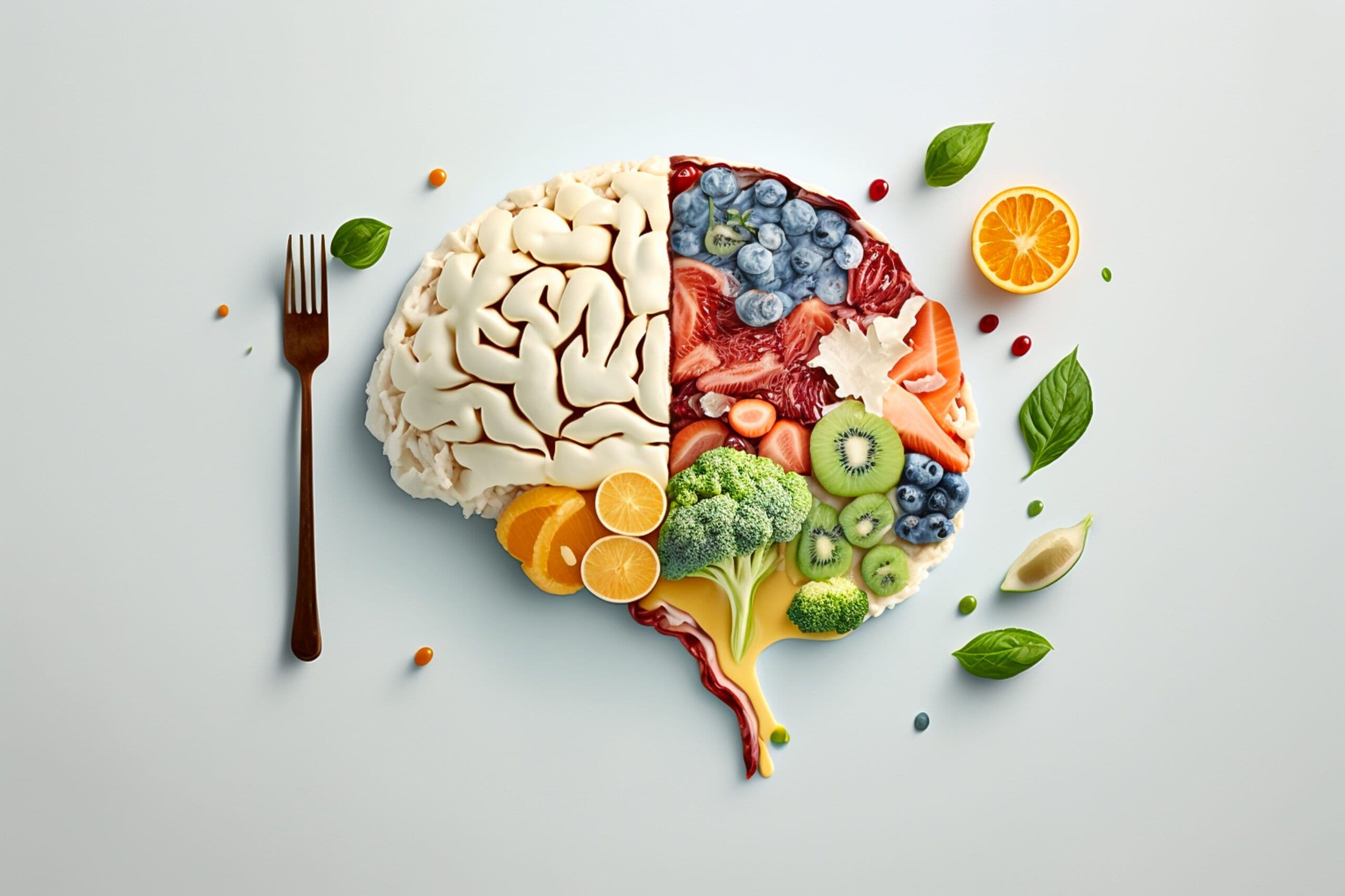
Have you ever sat down to study only to find your mind drifting, leaving you rereading the same paragraph? When you ask What Study Method Is Best For Me, diet should be part of the answer, because what you eat affects concentration, memory, and stamina. This article will show 15 foods that help you focus while studying for exams and offer simple study snacks and meal ideas to keep attention steady. From omega-3-rich fish and nuts to antioxidant-packed berries and leafy greens, these brain foods fit into realistic exam prep routines.
To help turn these choices into a habit, an AI study tool can build personalized snack plans, set gentle study reminders, and track which foods actually boost your focus.
The 6 Nutrients Your Brain Needs to Stay Sharp
1. Omega-3 Power for Study Focus: How These Fats Build Better Brain Cells
- Role in the brain: DHA and EPA sit inside neuron membranes and change how those cells pass signals. They help synapses work more efficiently, support nerve cell structure, and lower inflammation that can slow cognitive function.
- Why important for studying: Higher intake links to clearer memory recall, improved problem solving, and steadier attention during long study sessions. They also reduce mental fatigue when you push through long hours of review.
- Sources: Fatty fish such as salmon, mackerel, sardines, tuna, and trout. Plant choices include chia seeds, flaxseeds, hemp seeds, and walnuts, which supply ALA that the body converts only partially into DHA and EPA. If you avoid fish, consider an algae-based DHA supplement.
2. B Vitamins That Run Your Neurotransmitter Factory
- Role in the brain: B6, B12, and folate work together to make neurotransmitters like serotonin, dopamine, and acetylcholine. They also support red blood cell production and energy pathways that feed the brain.
- Why is it vital for studying: Low B vitamin status creates brain fog, weak focus, low energy, and mood swingsall problems for studying and exam performance. Keeping levels steady supports alertness and stable cognitive function during study blocks.
- Sources: B6 appears in bananas, poultry, fish, and potatoes. B12 comes from eggs, milk, cheese, meat, and fortified cerealsvegans should use a reliable supplement. Folate is in leafy greens, beans, lentils, and avocado.
3. Antioxidants That Protect Focus and Circulation
- Role in the brain: Antioxidants neutralize free radicals that damage neurons. Vitamin C helps make neurotransmitters, vitamin E protects cell membranes, and polyphenols improve cerebral blood flow and neuronal health.
- Why is it vital for studying: Antioxidants reduce oxidative stress that chips away at mental stamina and memory. They also help keep attention steady during intense review and support recovery after long study sessions.
- Sources: Vitamin C comes from oranges, kiwis, strawberries, and bell peppers. Vitamin E is rich in almonds, sunflower seeds, and hazelnuts. Polyphenol-rich foods include blueberries, green tea, and dark chocolate, which also make convenient study snacks.
4. Iron and Zinc: Oxygen Delivery and Signaling for Clear Thinking
- Role in the brain: Iron carries oxygen in red blood cells to power brain metabolism. Zinc contributes to synaptic signaling and plays a role in memory formation and cognitive processing.
- Why important for studying: Low iron causes tiredness and poor attention span; low zinc makes memory retention and quick decision making harder. Both nutrients influence how efficiently your brain processes new information.
- Sources: Lean red meat, chicken, and turkey supply heme iron and zinc. Plant sources include beans, lentils, pumpkin seeds, cashews, and fortified cereals. Pair plant iron with vitamin C-rich foods to improve absorption.
5. Magnesium for Calm Focus, Less Tension, Better Sleep
- Role in the brain: Magnesium regulates neurotransmitter release and nerve excitability, eases muscular tension, and dampens stress hormone output that can disrupt cognition.
- Why important for studying: Adequate magnesium helps control exam anxiety, supports sustained concentration, and improves sleep quality, so you learn more when awake. It reduces the physical strain of long study sessions.
- Sources: Almonds, cashews, pumpkin seeds, dark leafy greens like spinach and kale, whole grains, and dark chocolate offer good amounts of magnesium.
6. Complex Carbohydrates That Keep Your Brain Fueled Without Crashes
- Role in the brain: Carbohydrates break down into glucose, the brain’s main fuel. Complex carbs release glucose slowly, maintaining steady blood sugar and continuous energy for neural circuits.
- Why important for studying: Choosing complex carbs prevents mid study energy dips, supports longer attention spans, and helps maintain mental clarity across hours of reading and practice problems.
- Sources: Oats, brown rice, quinoa, whole wheat bread, sweet potatoes, beans, and lentils. Combine these with protein and healthy fats for study meals that sustain concentration and sharpen recall.
Related Reading
- Is Pomodoro Technique Effective For Studying
- When Is The Best Time To Study For A Test
- How Many Hours A Day Should I Study
- How To Concentrate When Studying
- How To Create A Study Plan
- How Do Dynamic Study Modules Speed Learning
15 Foods That Help You Focus While Studying

1. Blueberries Small Snack, Big Memory Support
- Key nutrients: Anthocyanin antioxidants, vitamin C, polyphenols.
- How it helps: Antioxidants protect neurons from oxidative stress and support blood flow to memory and attention centers.
- Best time and portion: 1/2 to 1 cup as a mid-study snack or pre-session booster.
- Quick uses: Toss into oats or Greek yogurt; blend with banana and milk for a 2-minute smoothie.
- Smart pairings: Combine with Greek yogurt for protein to slow glucose release and sustain focus.
2. Salmon, Mackerel, Sardines Healthy Fats That Strengthen Recall
- Key nutrients: DHA and EPA omega-3s, vitamin B12, selenium, and vitamin D.
- How it helps: Omega-3s improve synapse function and reduce brain inflammation for better recall and sustained attention.
- Best time and portion: Lunch or dinner, about 100 to 150 grams per serving; canned sardines are a budget-friendly option.
- Quick uses: Pan-sear salmon or place sardines on whole-grain toast with lemon.
- Smart pairings: Serve with leafy greens and brown rice to add folate, magnesium, and steady carbs.
3. Eggs Morning Choline for Memory Encoding
- Key nutrients: Choline, vitamin B12, vitamin B6, high-quality protein.
- How it helps: Choline helps make acetylcholine, a neurotransmitter tied to memory encoding and retrieval.
- Best time and portion: Breakfast or a pre-study snack; 1 to 2 eggs.
- Quick uses: Hard-boil for a grab-and-go snack; make a veggie omelet with spinach.
- Smart pairings: Whole-grain toast adds complex carbs to stabilize energy.
4. Spinach and Kale Greens That Support Neurotransmitters
- Key nutrients: Folate, vitamin K, magnesium, antioxidants.
- How it helps: Folate supports neurotransmitter synthesis, and magnesium promotes calm focus.
- Best time and portion: 1 to 2 cups raw or cooked with meals.
- Quick uses: Fold into eggs, wraps, or smoothies.
- Smart pairings: Add olive oil or avocado to boost absorption of fat-soluble nutrients.
5. Walnuts Brain Friendly Crunch
- Key nutrients: ALA plant omega-3, polyphenols, magnesium.
- How it helps: Healthy fats support neuron membrane fluidity and resilience to stress.
- Best time and portion: A small handful, about 20 to 30 grams, during long study blocks.
- Quick uses: Stir into oats or a trail mix; sprinkle over yogurt.
- Smart pairings: Pair with berries for antioxidants plus healthy fat.
6. Pumpkin Seeds Small Seeds, Big Mineral Punch
- Key nutrients: Zinc, magnesium, iron, protein.
- How it helps: Zinc supports memory processing, and magnesium calms the nervous system.
- Best time and portion: 2 to 3 tablespoons as a snack or salad topper.
- Quick uses: Dry roast with a pinch of salt or blend into smoothies.
- Smart pairings: Combine with fruit or a bit of dark chocolate for extra polyphenols.
7. Dark Chocolate 70 Percent and Up Focus With a Treat
- Key nutrients: Cocoa flavanols, magnesium, mild caffeine.
- How it helps: Flavanols increase cerebral blood flow and sharpen selective attention.
- Best time and portion: 1 to 2 squares, about 10 to 20 grams, before a tough session.
- Quick uses: Melt into warm milk or grate over yogurt.
- Caution: Avoid late-night or sugary bars to protect sleep quality.
8. Avocado Steady Energy From Healthy Fats
- Key nutrients: Monounsaturated fats, folate, potassium, fiber.
- How it helps: Healthy fats support steady energy and vascular health, which helps brain blood flow.
- Best time and portion: Half an avocado at lunch for sustained afternoon focus.
- Quick uses: Mash on whole grain toast or add to salads and smoothies.
- Smart pairings: Pair with eggs and whole-grain toast for a balanced focus plate.
9. Oats Slow Carbs for Long Lasting Fuel
- Key nutrients: Complex carbohydrates, beta-glucan fiber, B vitamins, and iron.
- How it helps: Slow glucose release sustains mental energy over hours without spikes.
- Best time and portion: Breakfast, 1/2 to 1 cup dry oats.
- Quick uses: Overnight oats or microwave porridge in 2 to 3 minutes.
- Smart pairings: Add blueberries and walnuts for antioxidants and healthy fats.
10. Green Tea Calm Alertness
- Key nutrients: Caffeine, L theanine, catechin antioxidants.
- How it helps: Caffeine improves alertness while L-theanine creates calm focus with fewer jitters.
- Best time and portion: 1 to 2 cups in the morning or early afternoon.
- Quick uses: Brew tea bags or carry a thermos during study blocks.
- Caution: Skip late-day cups to protect sleep.
11. Oranges and Citrus Hydration and Neurotransmitter Support
- Key nutrients: Vitamin C, flavonoids, hydration.
- How it helps: Vitamin C supports neurotransmitter synthesis and reduces mental fatigue.
- Best time and portion: One medium orange as a quick study break snack.
- Quick uses: Peel and eat or slice into water for steady sipping.
- Smart pairings: Have with nuts or Greek yogurt to balance sugars.
12. Greek Yogurt Protein That Keeps You On Task
- Key nutrients: Protein, vitamin B12, iodine, probiotics.
- How it helps: Protein stabilizes blood sugar and prevents mid-session hunger, while gut bacteria can affect mood.
- Best time and portion: 3/4 to 1 cup for breakfast or snack.
- Quick uses: Top with berries and pumpkin seeds for texture and nutrients.
- Smart pairings: Mix oats in for a complete mini meal.
13. Broccoli Veggie That Protects Neurons
- Key nutrients: Vitamin K, vitamin C, folate, and sulforaphane.
- How it helps: Vitamin K supports brain function, and sulforaphane offers antioxidant support.
- Best time and portion: One cup steamed or roasted with a main meal.
- Quick uses: Stir fry with garlic or steam for five minutes.
- Smart pairings: Finish with olive oil and lemon for better flavor and absorption.
14. Bananas Portable Potassium and Quick Fuel
- Key nutrients: Potassium, vitamin B6, natural carbohydrates.
- How it helps: Provides quick, steady energy, and B6 supports neurotransmitter production.
- Best time and portion: Pre-study or mid-session; one medium banana.
- Quick uses: Spread with peanut butter or blend into a smoothie.
- Smart pairings: Pair with nuts or Greek yogurt to slow sugar absorption.
15. Coffee Use It When You Need a Focus Boost
- Key nutrients: Caffeine, polyphenols.
- How it helps: Low to moderate caffeine increases alertness and short-term memory during intense review.
- Best time and portion: One cup in the morning, about 80 to 120 mg caffeine; avoid late-day cups.
- Quick uses: Black or with milk for added protein.
- Caution: High amounts cause jitters and sleep disruption, which undermines learning.
Transcript brings AI-powered study tools directly to students' fingertips, with instant scan and solve, an intelligent digital notebook, and an AI chat that provides step-by-step explanations. Try our AI study tool to scan problems and get detailed step-by-step solutions and free answers to help you learn faster.
Related Reading
- How Long to Study for GRE
- Should You Study When Tired
- Creative Ways To Study
- Study Tips For Teens
- Study Skills For High School Students
- Passive Vs Active Studying
- 7 Secret Methods For Studying
How to Focus When Studying (Tips & Strategies to Use)

A. Today's Focus Plan exactly what to do and when
Top 3 tasks for today
- Finish Chapter 6 notes (clean, annotate, create 8 Q/A cards).
- Do 20 practice MCQs on the endocrine system; log errors.
- Summarize the lab safety transcript into 12 flashcards.
Time blocks (pick 25–50 minute blocks that match your energy)
- 09:00–09:50 Focus 50: Finish Chapter 6 notes (50 min work, 10 min break).
- 10:00–10:25 Pomodoro: 20 practice MCQs (25/5).
- 10:30–11:00 Pomodoro: Convert MCQ errors into explanations.
- 16:00–16:50 Focus 50: Summarize lab safety transcript into flashcards.
Reward after completion
Short walk and a square of dark chocolate after the afternoon block.
Weekly map (plan Sun night)
List chapters, labs, and transcript sections to cover and assign days.
Example:
Mon Chapter 4 notes + lab 2;
Tue Chapter 5 notes + transcript section B;
Wed practice exam;
Thu Chapter 6;
Fri mixed MCQs;
Sat review hardest topics;
Sun mock exam. A
ssign each item to a calendar slot so you never guess what to study.
B. Brain Prime Routine 5–10 minutes to get ready
- 2-minute tidy: clear desk to one textbook, close unrelated tabs, silence notifications, and put phone face down.
- Breathing warm-up: 4-7-8 breathing, three cycles to lower arousal and sharpen attention.
- Cue your brain: use the same chair, the same instrumental playlist or white noise, and one simple start ritual like a single-stroke pen test on your notebook.
C. Timing Method That Fits the Task pick the right block
- Pomodoro 25/5: best for reading, cleaning notes, or making flashcards.
- Focus 50 50/10: best for problem sets, essays, and case analysis.
- 90-minute deep work: for mock exams and heavy concept integration.
- Rule: during work minutes, zero multitasking; during breaks, avoid tiny peeks at social apps and step away from the desk.
D. High-Yield Study Techniques use evidence-based tools
- Active Recall: close the book, write everything you remember on a blank page, then check gaps; finish each block with three self-test questions.
- Spaced Repetition: schedule reviews at 1 day, 3 days, 7 days, and 14 days with brief sessions.
- Interleaving: mix topics in practice (A–B–A–C) to sharpen discrimination.
- Feynman Technique: explain the topic as if teaching a junior and simplify technical terms until explanations are clear.
- Question-First Reading: skim headings and end-of-chapter questions, then read to answer those questions.
E. Turn Notes and Lectures into Retrieval Fuel make everything testable
- From lecture to questions: scan the transcript, highlight learning objectives, and convert each into a Q/A card.
- Search smart: use Transcript Find to collect every mention of core terms like osmosis, quorum sensing, omega-3, caffeine, and antioxidants into a mini-glossary.
- Condense: write a one-page summary per topic and list the top five questions the exam could ask at the bottom.
- Daily closure: update a running study log with what you learned, weak spots, and next steps.
- Speed review: before bed, skim condensed notes and the day’s transcript highlights for five minutes to strengthen overnight consolidation.
F. Distraction-Proof Environment shape where and how you work
- Physical: a good chair, an eye-level screen, a water bottle, and only the book or laptop you need on the desk.
- Digital: use full-screen mode, site blockers during work blocks, and do-not-disturb on your phone.
- Social: if you study with others, set rules for questions only during break windows and a shared timer for blocks.
G. Eat, Drink, and Move for Focus practical brain-food tactics
- Hydration target: drink a glass of water before each block; even mild dehydration reduces concentration.
- Pre-study snack: oats with Greek yogurt, blueberries, and pumpkin seeds for steady energy, antioxidants, and healthy fats.
- Protein and healthy fats: nuts, seeds, and a small portion of salmon or canned tuna for omega-3 and sustained attention.
- Complex carbs for steady glucose: whole-grain toast or brown rice instead of sugary snacks that cause energy crashes.
- Mid-session pick-me-up: green tea or coffee in the early day, and a square of dark chocolate for a quick focus lift.
- Micronutrients: include sources of B vitamins, such as eggs or yogurt, and leafy greens for iron and folate.
- Move: take a 2–5 minute stretch or brisk walk every break, and do 20 jumping jacks if you feel sleepy.
H. Manage Stress and Exam Anxiety keep focus from being hijacked
- Micro-resets: box breathing 4-4-4-4 or ten slow exhales during breaks to lower heart rate and clear attention.
- Worry container: keep a notepad; if a worry pops up, write it down and park it for later review.
- Sleep protection: stop caffeine after 2–3 pm, aim for 7–9 hours, and do light review only in the last 30 minutes of the day.
I. Rapid Review Systems That Compound Learning from daily to exam-ready
- Daily: spend 10–15 minutes revisiting yesterday’s cards and one-page summaries.
- Weekly: schedule 60–90 minutes to cycle through the most complex topics and do mixed practice.
- Exam-mode practice: run timed sets, mark errors, and rewrite the correct reasoning in your notes so you can explain each mistake.
J. Copy-Ready Templates drop these into your day now
Two-hour study block (Pomodoro style)
- 00:00–25:00 Work active recall (write from memory).
- 25:00–30:00 Break water and stretch.
- 30:00–55:00 Work convert lecture transcript into 12 Q/A cards.
- 55:00–60:00 Break quick walk.
- 60:00–85:00 Work 10 MCQs, record errors in an error log.
- 85:00–90:00 Break snack.
- 90:00–115:00 Work summarize weak spots and schedule spaced reviews.
K. Troubleshooting Focus Killers fixes that actually work
- I read for hours but remember little → switch to active recall and blurting; end each block with three self-test questions.
- I keep checking my phone → put it in another room; if you must keep it nearby, use grayscale mode and strong app blockers during work minutes.
- I get sleepy in the afternoon → eat a lighter lunch, take a 10–15 minute power nap or brisk 5-minute walk, then try green tea.
- I don’t know what to study next. → consult your weekly map and the lecture transcript table of contents to pick the next most testable chunk.
Transcript brings AI-powered study tools directly to students' fingertips, with instant scan and solve, an intelligent digital notebook, and an AI chat that provides step-by-step explanations. Try our AI study tool to scan problems and get detailed step-by-step solutions and free answers to help you learn faster.
Get Answers for Free Today with Transcript
Transcript brings AI-powered study tools directly to your fingertips, helping you tackle complex coursework more efficiently. The platform offers three core tools: instant scan and solve for any subject, an intelligent digital notebook, and an AI chat that gives step-by-step explanations. Scan a problem with your phone and get a full worked solution that shows each move, so you can see both the how and the why. The digital notebook saves solved problems, extracts key formulas and definitions, and organizes them by topic so your revision stays focused.
Use Transcript to Build Active Study Habits That Stick
Active recall, spaced repetition, and practice testing work better than passive rereading. Use Transcript to convert solved problems into retrieval prompts and flashcards. After the AI shows a step-by-step solution, rewrite the key step as a question in the notebook, then schedule reviews. When you get an answer wrong later, open the original solved problem to study the method, then try a fresh problem without looking. This keeps practice testing honest and efficient.
A Simple Workflow for Faster Problem Solving
- Scan the problem. Let the AI produce a clear step-by-step solution.
- Highlight the turning point in the method and save it to the digital notebook with a short prompt to test yourself.
- Use the AI chat to ask for one or two closely related practice problems. Try them under time pressure.
- Convert the best practice items into flashcards for spaced review.
- This routine forces retrieval, reveals gaps, and builds transferable techniques across subjects.
Food Choices That Boost Focus and Memory While You Study
Choose foods that support concentration, memory retention, and steady energy. Eat omega-3 rich choices like salmon or tuna for brain-friendly fatty acids. Snack on berries, especially blueberries, for antioxidants and flavonoids that support memory. Pick nuts and seeds such as walnuts, almonds, chia seeds, or flaxseeds for healthy fats and magnesium. Add leafy greens like spinach or kale for iron, B vitamins, and folate, which help cognitive function. Include eggs or Greek yogurt for lean protein and choline, which supports attention. Favor whole grains for slow-release carbs to avoid energy crashes.
Study Snacks That Work in Real Sessions
Combine foods so you get steady energy and mental clarity. Try Greek yogurt with blueberries and a sprinkle of walnuts. Have whole-grain toast topped with avocado and a poached egg. Make a small salmon salad with mixed greens and a bit of olive oil. For a quick pick-me-up, nibble almonds with a piece of dark chocolate that is 70 percent cocoa or higher. Sip green tea or matcha for gentle caffeine plus L-theanine to smooth attention. Keep a water bottle and a small electrolyte drink nearby to prevent dehydration-related fog.
When and How Much to Eat for Peak Focus
Eat a modest, balanced meal one to two hours before a heavy study block so digestion does not distract you. Use light snacks between work cycles to keep blood sugar steady. Limit high sugar and highly processed foods that spike energy, then cause fatigue. Moderate caffeine early in your session and avoid late-night excess so sleep and memory consolidation stay strong.
Pairing Food and Study Rhythms for Better Results
Use a Pomodoro rhythm and pair each cycle with a small, appropriate snack or beverage when needed. For example, study for 25 minutes, take five minutes to sip green tea and have a handful of nuts, then return to focused work. After two to three cycles, take a longer break and eat a fuller snack like yogurt with berries. Whenthe Transcript gives a tough worked example, pause and try the same type of problem without help for one full cycle to train retrieval.
Questions to Help You Test This Approach
Do you study best with short bursts or long blocks of time? What subjects give you the most trouble and could benefit from instant worked solutions? Try one full session using Transcript, follow the snack plan that suits your digestion, and note whether focus and recall improve during later review sessions.